Almost every drop of municipal water in the UAE has been through a desalination plant before it reaches a tap or an irrigation line. Unlike most of the world, where water falls from the sky largely for free, water here carries a real, built-in energy cost from the moment it is made — and that fact is doing more to reshape landscape briefs than any aesthetic trend.
Almost all of the UAE's municipal water is desalinated, carrying a real energy and carbon cost per cubic metre. That single economic fact is now a stronger driver of plant selection than aesthetics, and it is why treated sewage effluent irrigates most large landscapes.
- Desalinated water costs energy and carbon before it costs money — irrigation is a carbon line item.
- TSE fills the gap for large landscapes, which constrains the viable plant list.
- Briefs increasingly score schemes on litres per square metre, not planting density.
Water that costs energy before it costs money
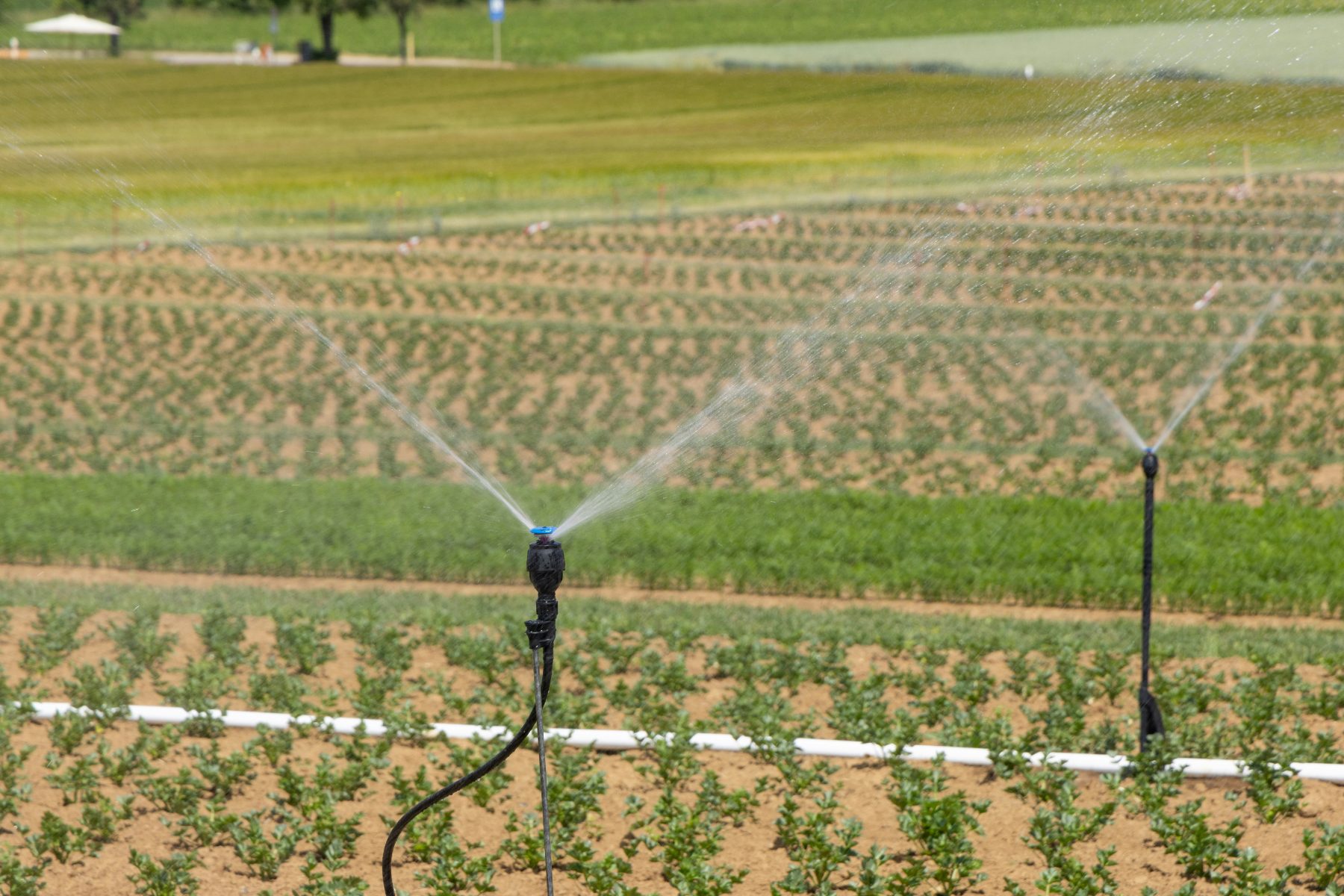
Reverse osmosis — the dominant desalination method in the UAE — forces seawater through membranes at high pressure, and that pressure is the majority of the cost. Even at the scale and efficiency of plants like Taweelah and Hassyan, desalinated water in the region runs somewhere around US$0.30–$0.50 per cubic metre to produce, driven almost entirely by electricity. Independent analysis puts the carbon cost at roughly 15kg of CO₂ for every cubic metre the UAE desalinates. Multiply that across an irrigation-heavy landscape and the embedded energy bill behind a green scheme becomes hard to ignore.
Why TSE is filling the gap — and what that means for the plant list
Treated sewage effluent already supplies a large share of landscape irrigation across the UAE precisely because it takes pressure off the desalinated supply. That is good economics and good sustainability policy, but it is not a free swap: TSE carries its own salinity and mineral chemistry, and plant lists that assume municipal-quality water can struggle on it. Specifying for TSE from the outset — rather than treating it as an irrigation-team problem after planting — is quickly becoming standard practice on serious briefs.
What this means for the brief
- Treat water demand as a cost-of-ownership line, not a soft sustainability metric — developers are increasingly asking for it in exactly those terms.
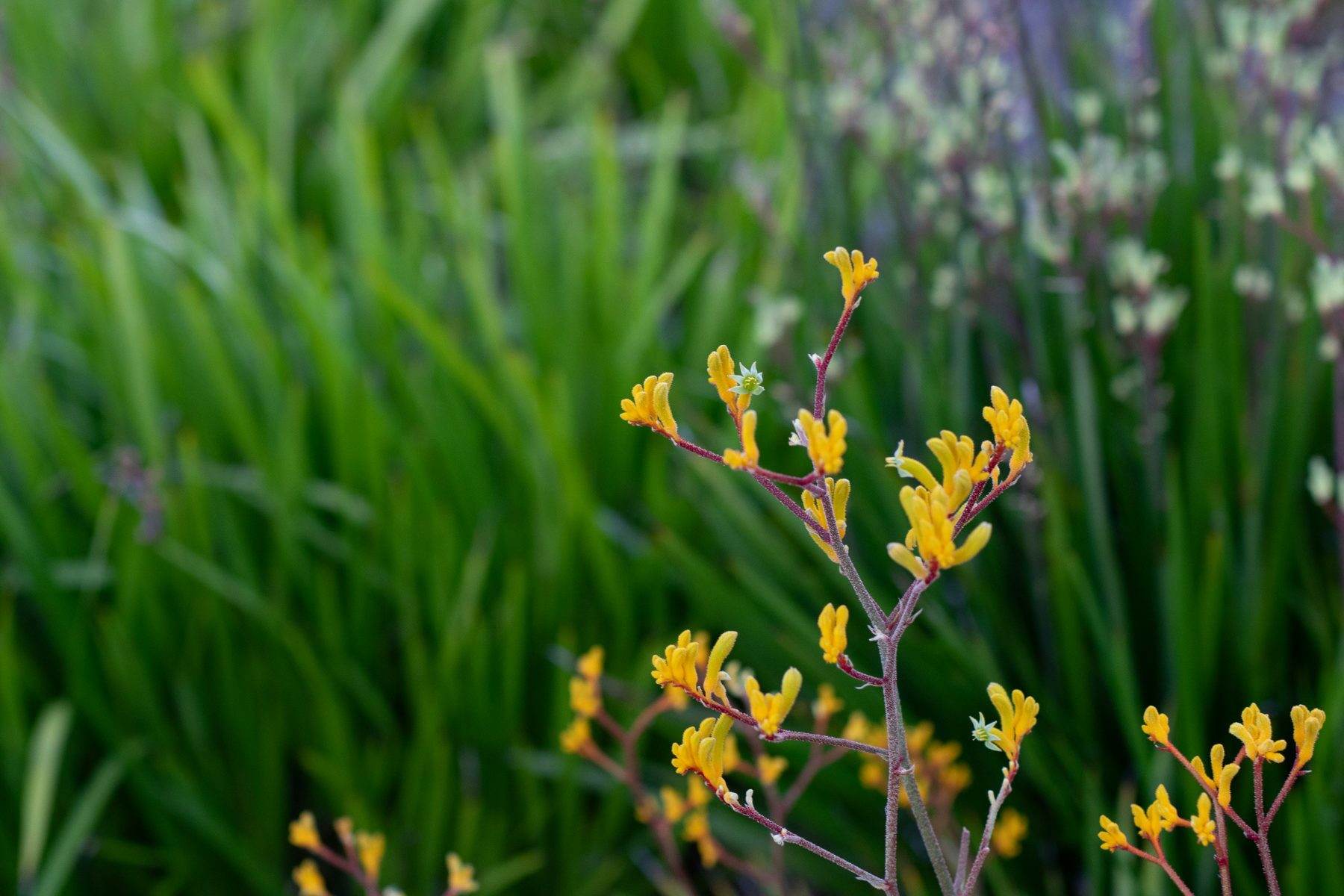
- Favour native and low-water species as the default palette, not the water-wise "option" bolted on at the end of a scheme.
- Size irrigation zones to plant water demand, not to a standard layout template — mixed zones with mismatched needs are where over-irrigation quietly happens.
- Specify for the water you'll actually get — TSE, desalinated, or a blend — rather than assuming a generic supply and adjusting after establishment problems appear.
None of this is a call to plant less. It's a case for planting deliberately — because in a country that manufactures its water, every litre on a landscape brief is an energy decision as much as a design one.
Looking to source these plants?
Request a wholesale quote and our team responds within 24 hours.
Request a Quote →