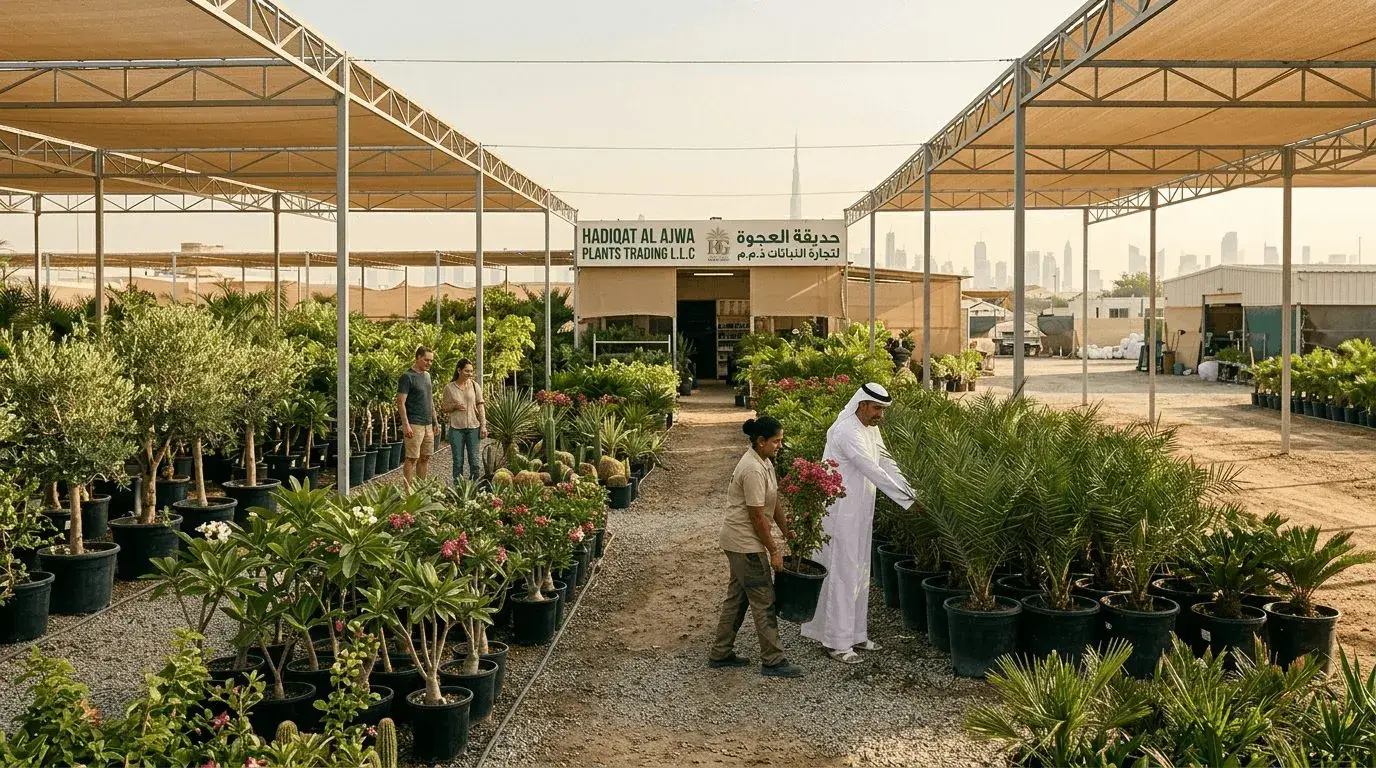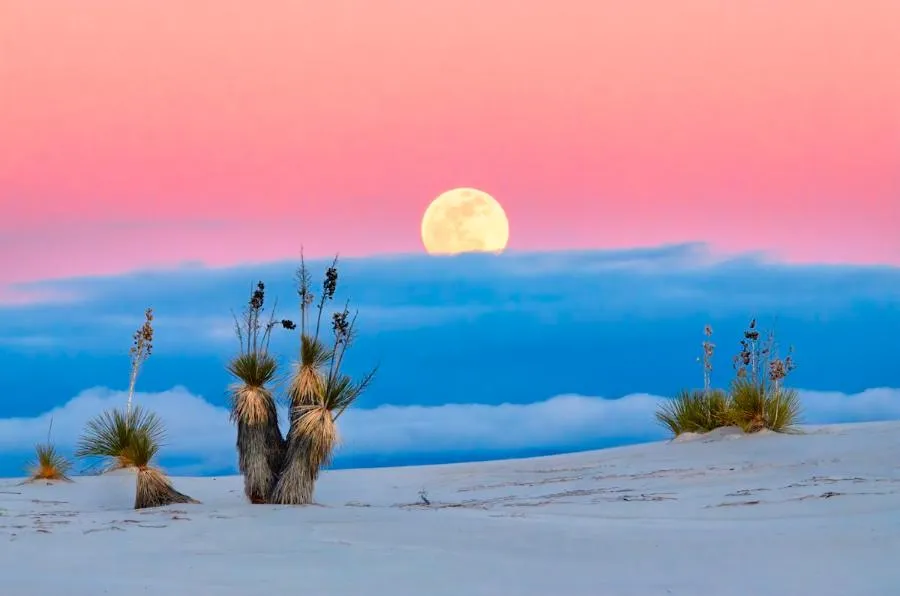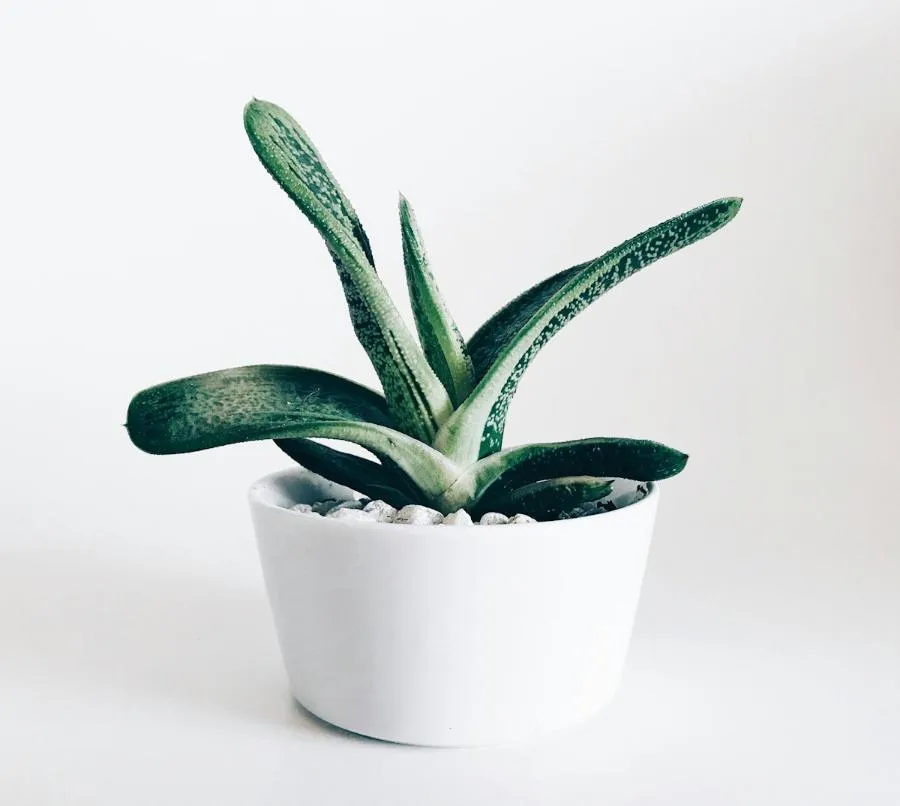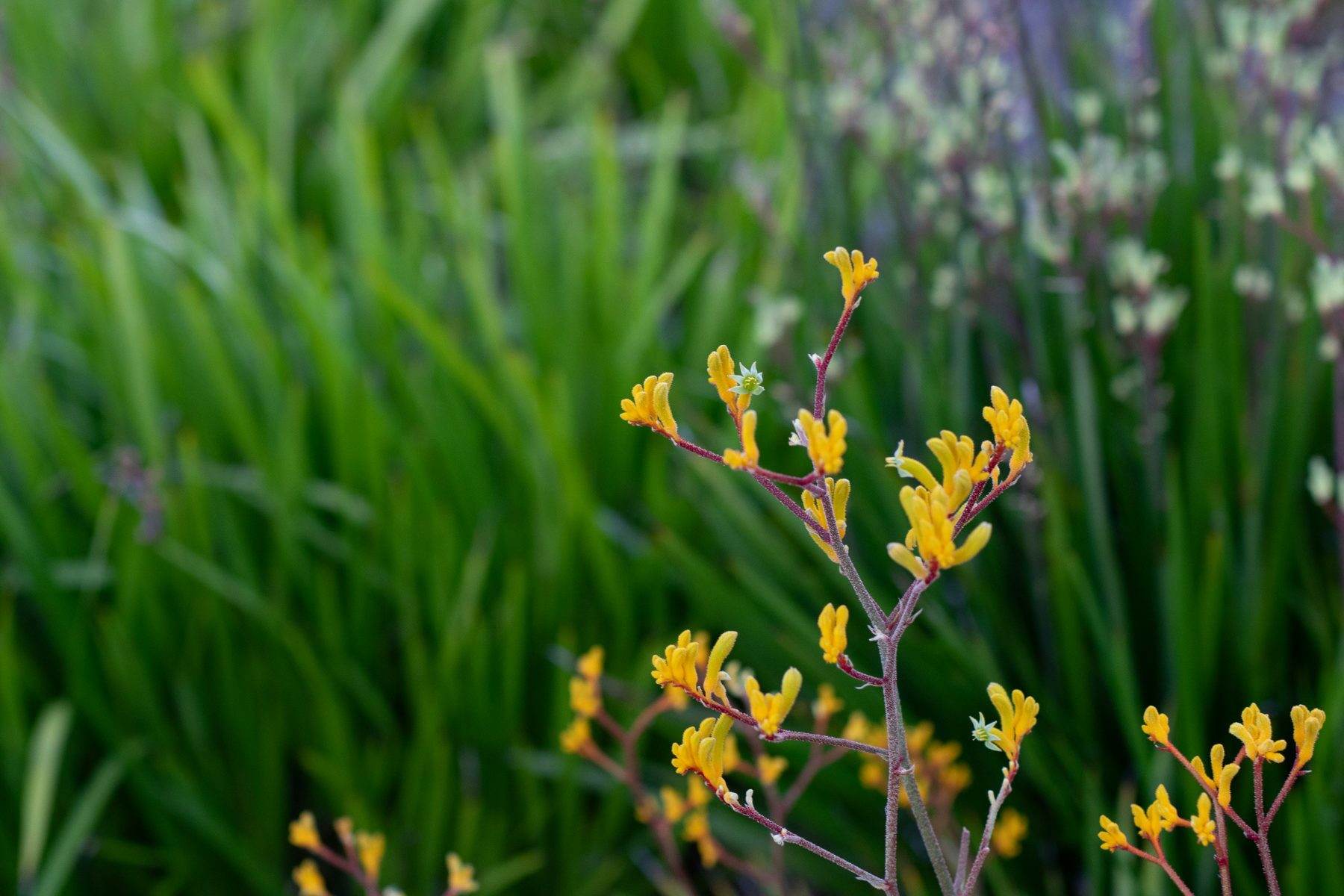
Five years ago a typical UAE planting brief leaned on imported tropical colour and thirsty turf. The briefs landing on our desks for 2026 look very different: native-led, water-wise, and unmistakably of this region. Three forces are driving the shift, and all of them point the same way.
The 2026 palette landing on UAE briefs is native-led, water-wise and distinctly regional — driven by water policy rather than taste. The constraint is supply: specification of semi-mature native stock is outrunning what nurseries have in the ground.
- Policy and water economics, not fashion, are driving the native-led shift.
- Layered palette: native canopy, desert-tough shrub colour, low-water groundcover.
- Specification is outpacing available semi-mature native stock — lead times are lengthening.
What is changing the brief
- Water regulation and cost. With most large landscapes irrigated by treated water on metered networks, every litre now has a line in the operating budget. Low-water planting is no longer a virtue signal; it is a cost decision.
- Biodiversity and ESG targets. Developers and municipalities increasingly report on habitat value and carbon. Native, pollinator-friendly planting scores where ornamental monocultures do not.
- A design appetite for place. Clients are tired of landscapes that could be anywhere. There is real pride now in schemes that read as Arabian rather than borrowed from a cooler climate.
The palette, layer by layer
The result is a palette built from the ground the region actually has, organised the way we specify it.
Canopy. Ghaf (Prosopis cineraria), Sidr (Ziziphus spina-christi) and indigenous Acacia anchor the upper layer. They give genuine shade on minimal water and age into character rather than into a maintenance bill.
Colour and structure. Desert-adapted ornamentals carry the flowering interest — Tecoma, Caesalpinia, Leucophyllum, Desert Rose and Bougainvillea — proving that water-wise need not mean colourless.
Ground and texture. Drought-tolerant grasses and groundcovers, paired with gravel and inert mulches, replace amenity turf across medians, verges and amenity strips where lawn never earned its irrigation.
This is policy, not just taste
The shift lines up almost exactly with public strategy. The Dubai 2040 Urban Master Plan sets out to roughly double the city’s green and recreational space and lace green corridors through the urban fabric, while the UAE’s Net Zero 2050 commitment puts a premium on every hectare of low-water, carbon-storing planting. Specifying native and water-wise is increasingly the path of least resistance through approvals, not the difficult one.
Water-wise is no longer the compromise option. On the right scheme it establishes faster, costs less to run, and scores better at tender than the tropical palette it replaces.
The catch: specification outrunning supply
There is one practical risk. When a whole industry pivots to the same native-led palette at once, demand for good Ghaf, well-formed Sidr and quality desert ornamentals can outrun what is actually growing in the ground. Mature native stock takes years, not months, to produce.
That is why we grow the 2026 palette at volume and reserve it against projects through contract growing. If your scheme leans native, talk to us early — the specification is the easy part; having the plants ready on your delivery date is the part worth planning for.
Looking to source these plants?
Request a wholesale quote and our team gets back to you fast.
Request a Quote →