Interior planting has quietly graduated. What used to be a row of tired pots by the lifts is now a specified, budgeted part of how commercial space performs — on wellbeing, on dwell time, and increasingly on asset value. The business case has caught up with the instinct that people simply feel better around greenery.
Interior planting measurably improves occupant wellbeing, dwell time and asset value — but only when specified for the building's real light levels, drainage and maintenance regime rather than for the launch photography.
- Light, drainage and a funded maintenance contract decide success; species choice is secondary.
- Specify a low-light-tolerant palette based on honest lux readings, not optimistic ones.
- Involve the plant supplier before planters are built — retrofitting drainage is expensive.
Why developers are specifying green
The evidence has moved from anecdote to line item. Workplace studies consistently link visible greenery and natural elements with meaningful gains in occupant wellbeing, focus and perceived air quality, while hospitality and retail operators use planting to lengthen dwell time and lift the feel of a space. For a developer, that translates into easier leasing and a building that photographs and shows better.
A palette that survives a real building
The mistake is treating interior planting like a photoshoot. The plants have to live in air-conditioning, variable light and real foot traffic. We split the interior palette into two roles.
Statement specimens for lobbies, atria and feature walls, where light is good and impact matters: Monstera deliciosa, Ficus lyrata, Strelitzia and large Kentia palms.
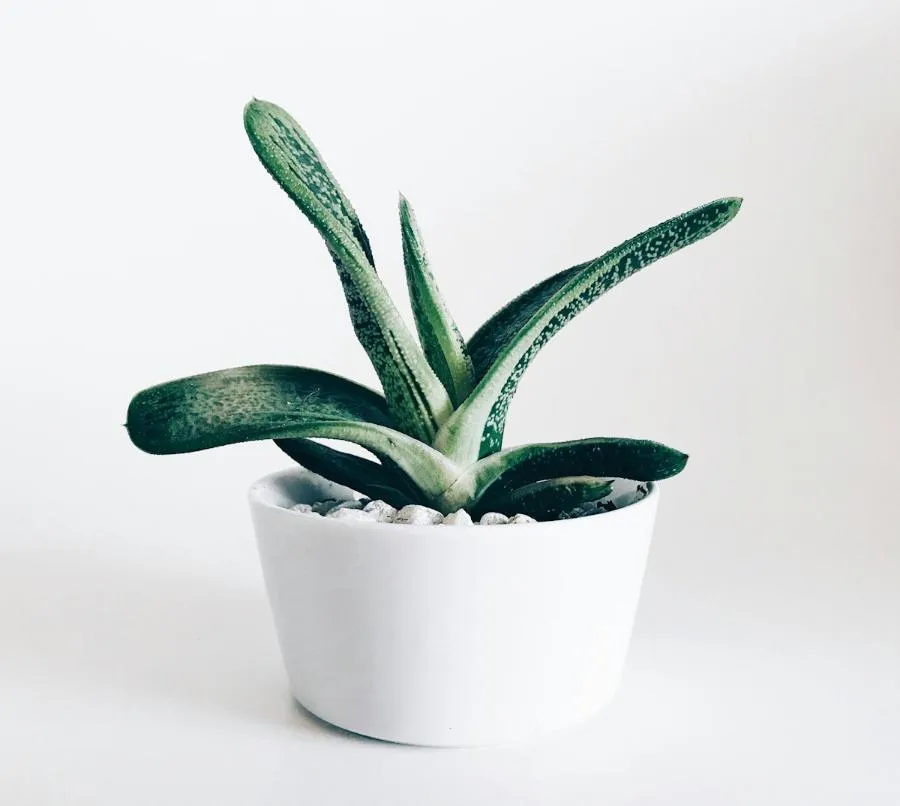
Workhorses for lower light and higher-traffic corners that punish fussy plants: ZZ plant (Zamioculcas), Sansevieria, Aglaonema and Epipremnum. These hold their looks where statement plants would decline.
The three things that actually decide success
Indoors, the plant is rarely the problem. Three site realities are:
- Light. Measure actual lux at the planting position, not the impression of brightness. Most interior failures are slow starvation for light.
- Container drainage. A decorative planter with no drainage is a reservoir that rots roots. Specify a proper liner, drainage layer and a way to check water levels.
- A real maintenance plan. Interior plants need a named owner and a schedule. Without one, even the toughest palette looks tired within a year.
Indoors, success is decided by lux, drainage and a maintenance contract — not by the plant on the delivery note.
Get us in before the planters are built
The cheapest time to solve an interior scheme is at fit-out design, while planter sizes, drainage and lighting can still change. We help fit-out and design teams match species to measured light and HVAC conditions, size containers correctly, and set a maintenance regime the operator can actually keep. The result is an installation that still looks intentional long after the launch photos — green that works for the building, not just for the brochure.
Biophilic office planting — frequently asked
What is biophilic design?
Does interior planting really improve office wellbeing?
Which plants work best in UAE offices?
Can you supply interior office planting wholesale in the UAE?
Looking to source these plants?
Request a wholesale quote and our team gets back to you fast.
Request a Quote →